Influencer Marketing Trends for 2026: What Brands Need to Know
The influencer marketing industry isn’t slowing down. In fact, it’s accelerating. The market hit $32.55 billion in 2025 and is projected to surpass $40 billion in 2026—a single-year jump of over 30%.
But here’s what’s changed: It’s no longer about chasing the biggest follower counts or running one-off celebrity campaigns. The brands winning in 2026 are the ones building performance-driven, authentic partnerships with creators who genuinely connect with their audiences.
If you’re planning your influencer strategy for the year ahead, these are the trends that will define success.
1. Nano and Micro-Influencers Are Outperforming Everyone Else
The era of paying celebrities six figures for a single post is fading. The real ROI is coming from smaller creators.
The data speaks for itself:
- Micro-influencers average 3.8% engagement rates. Mega-influencers average just 1.2%—over three times better.
- Nano-influencers now represent 75.9% of Instagram’s influencer base and achieve 2.71% engagement rates—50% higher than micro-influencers.
- On TikTok, nano creators consistently generate double-digit engagement, with average interaction rates hovering just above 10%.
Why smaller creators win
Smaller creators don’t just build audiences — they build communities.
Their followers aren’t passive scrollers; they’re actively engaged, invested, and often share a specific interest or identity with the creator.
A nano- or micro-influencer with 4,000 highly engaged followers in a niche like vegan meal planning or B2B cybersecurity is speaking directly to a defined, relevant audience. These followers trust their opinions, interact with their content, and are far more likely to take action. In contrast, a mainstream creator with 400,000 followers may have reach, but often lacks that same depth of connection — their audience is broader, less targeted, and less engaged.
This difference shows up where it matters most: decision-making.
Smaller creators influence not just awareness, but intent. Their recommendations feel personal, contextual, and credible.
When a nano-influencer shares a product, it doesn’t come across as a polished advertisement — it feels like a genuine recommendation from someone you trust. That sense of authenticity is incredibly powerful. It lowers resistance, builds confidence, and shortens the path to purchase.
In many cases, brands working with smaller creators see:
- Higher engagement rates
- More meaningful interactions (comments, saves, shares)
- Stronger conversion performance
Because ultimately, people don’t buy from ads — they buy from people they trust.
The strategic shift:
For most brands below enterprise budget levels, the optimal allocation is a core roster of 15–30 micro-influencers supplemented by a wider seeding network of 50–100 nano-influencers.
Instead of one macro-influencer campaign, brands are building always-on programs with dozens of smaller creators posting consistently over months. This creates a steady drumbeat of authentic social proof that compounds over time.
2. Performance Over Vanity: ROI Is the Key Focus
The days of celebrating likes and impressions are over. Brands want to see sales, leads, and measurable business outcomes.
The accountability revolution:
9 in 10 marketers say sponsored influencer content outperforms brand content in terms of engagement. Another 83% say it converts better.
For every dollar spent on influencer marketing, brands earn an average of $5.78, with top-performing campaigns reaching $11-$18 ROI.
But here’s the catch: You need to prove it.
How brands are measuring success in 2026:
- UTM links and promo codes for direct attribution
- Affiliate partnerships where creators earn a percentage of sales
- Incrementality testing to measure true impact
- Real-time campaign tracking with automated reporting
Performance-based influencer campaigns are generating 40% higher ROI than traditional flat-fee deals.
The shift in compensation models:
Flat fees are no longer the default. The new structures include:
- Affiliate/commission-based pay: Creators earn 10-20% of sales they generate
- Hybrid models: Base fee + performance bonuses for hitting goals
- Product seeding + performance bonus: Gifting products with structured payouts based on results
Interestingly, gifted collaborations deliver 2.19% engagement rates, 12.9% higher than paid collaborations at 1.94%. For nano and micro-influencers, product-based partnerships often outperform cash deals.
3. Long-Term Partnerships Are Replacing One-Off Campaigns
The era of one-off activations is coming to an end. True value lies in viewing creators as long-term partners for your brand.
Why ambassador programs win
One-off influencer activations are losing their impact.
Today’s audiences are more aware than ever — they can spot a one-time paid post instantly. And when a creator promotes a product once and never mentions it again, the message feels transactional rather than genuine.
That’s why brands are shifting towards long-term relationships — ambassador programs, multi-month collaborations, and even creator-led product lines.
When a creator talks about your brand consistently over time, something changes. The audience no longer sees it as a sponsorship — it starts to feel like a real preference. A product they actually use. A brand they genuinely stand behind.
This consistency builds familiarity and trust, which are key drivers of conversion.
The compounding effect
The real power of ambassador programs comes from scale and consistency.
Instead of relying on one or two large influencers for short bursts of visibility, brands are building rosters of 20–50 micro and nano creators who post regularly. Each individual creator may have a smaller reach — but together, they create a constant stream of content, mentions, and touchpoints.
This creates what’s known as continuous social proof.
Your brand is no longer something people see once — it’s something they see everywhere, repeatedly, and from multiple trusted voices.
Over time, this approach compounds:
- More consistent visibility
- Stronger brand recall
- Higher trust levels
- And ultimately, better conversion rates
Compared to seasonal, high-budget campaigns with mega-influencers, this “always-on” strategy is not only more sustainable — it’s often more effective.

4. AI Is Streamlining Operations (But Humans Still Drive Authenticity)
AI isn’t replacing influencers—it’s making them more effective.
How creators use AI in 2026:
86% of creators already use generative AI to power their content. They’re using it to:
- Ideate content faster
- Edit videos more efficiently
- Analyse performance data
- Optimise posting schedules
How brands use AI:
- Discovery: AI platforms scan millions of profiles to find creators whose audiences genuinely align by demographics, interests, and engagement—not just follower count.
- Vetting: AI tools evaluate audience authenticity, past brand partnerships, and content quality.
- Performance tracking: Real-time monitoring of every post, story, and share across campaigns.
But authenticity still requires humans:
Almost half of consumers say they’re not comfortable with brands using AI influencers. Virtual influencers raise concerns about intellectual property, content originality, and trust.
The verdict? AI is a powerful support tool, but human creators remain essential for building emotional connections.
5. Social Commerce Is Blurring the Line Between Content and Conversion
Platforms are making it easier than ever to shop directly from influencer content.
Platforms like TikTok, Instagram, and YouTube are leading the way, combining entertainment with seamless purchasing. Influencers help brands reach the right audiences at the right time, turning engagement into measurable action.
The opportunity:
Creators aren’t just driving awareness—they’re closing sales. Shoppable posts, live shopping events, and direct product links are transforming influencers into full-funnel revenue drivers.
6. Multi-Platform Strategies Are Essential
No single platform dominates anymore. Creators are diversifying, and brands need to follow.
Platform dynamics in 2026:
- Instagram remains the most popular at 72% of brands using it
- TikTok delivers higher engagement rates but faces ongoing regulatory uncertainty
- YouTube offers the longest brand recall at 30+ days
- LinkedIn: Thriving by rewarding long-form content, deep “dwell time,” and meaningful conversations.
- Facebook prioritises AI‑curated video discovery, lo‑fi content, and private connections over traditional feeds.
Some of the most popular platforms are Substack and YouTube Shorts, which have reported consistent year-over-year growth since 2021. And then there’s podcasting, with over 6 million podcasts globally.
The smartest brands aren’t putting all their eggs in one basket. They’re working with creators who have presence across multiple channels.
7. Content Repurposing Multiplies ROI
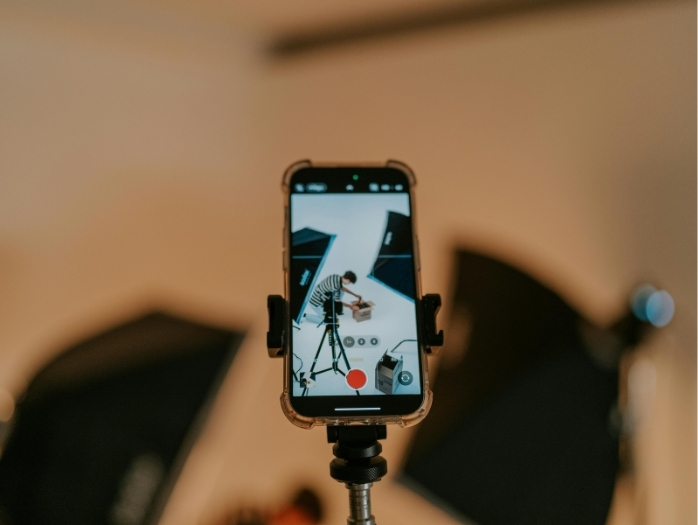
Every influencer post is more than a one-time activation—it’s a content asset.
Each creator post is a production asset you can license and repurpose across paid social, email, website, and out-of-home. When you factor in the production cost of commissioning equivalent creative from a studio (typically £2,000–£10,000 per professional video asset), the total value of a micro-influencer program extends well beyond direct sales attribution.
Brands are using influencer-generated content (UGC) in:
- Facebook and Instagram ads
- Email campaigns (seeing a 20% increase in click-through rate when using UGC)
- Website landing pages
- Amazon product listings
52% of marketers repurpose influencer content across three or more channels.
8. The Creator Economy Is Professionalising
Influencer marketing is no longer a side project—it’s a core marketing function.
Three-quarters of marketing leaders anticipate growing their team in the next year, and influencer marketing managers are among the top five positions they’re likely to hire for.
What this means:
- Dedicated influencer marketing roles (not just added to someone’s plate)
- Specialised agencies and platforms for discovery, management, and measurement
- Clear KPIs and performance benchmarks
The brands treating influencer marketing as a foundational pillar (not an experiment) are the ones scaling it successfully.
What This Means for Your 2026 Strategy
The message is clear: Influencer marketing in 2026 isn’t about reach—it’s about relevance, engagement, and measurable outcomes.
Here’s your guide to success:
- Shift budget to nano and micro-influencers. They deliver better engagement, higher trust, and lower costs.
- Focus on performance. Build campaigns around sales, leads, and conversions—not vanity metrics.
- Think long-term. Ambassador programs and multi-month partnerships outperform one-off posts.
- Use AI strategically. Let it handle discovery, vetting, and tracking—but keep humans at the center of storytelling.
- Go multi-platform. Diversify across Instagram, TikTok, YouTube, and emerging channels.
- Repurpose everything. Treat influencer content as reusable creative assets.
- Invest in infrastructure. Hire dedicated roles, use proper tracking, and build systems that scale.
The influencer marketing landscape has matured. The brands that adapt to these trends won’t just survive—they’ll dominate.
Ready to build an influencer strategy that drives real results? At Emrise, we help brands navigate the creator economy with data-driven strategies, performance tracking, and partnerships that actually convert. Get in touch with the Emrise team at [email protected] or call 0115 678 7377 and we’ll build a plan that works for your market and your team.
Sources: Research from Influencer Marketing Hub, Sprout Social, CreatorIQ, Impact.com, Taboola, and industry analysis from leading marketing platforms.