
Social media strategy Archives - Emrise Digital

The Rise and Fall of Follower Count

Why Influence Doesn’t Mean Numbers Anymore.

Remember When Followers Actually Mattered?

There was a time when the answer was straightforward: if you had followers, people saw your content. If you built a large audience, your reach was guaranteed. Follower count was the internet’s primary currency of influence, and for good reason—it directly determined whether your content would be distributed or overlooked.

Brands made decisions based on it. Creators celebrated milestones around it. Platforms made it the most visible metric on every profile. For nearly a decade, follower count was the primary measure of online success—the definitive signal of popularity and reach.

But here’s the truth: that era has quietly ended.

What Has Changed?

The shift wasn’t sudden or obvious. It happened gradually as social platforms moved away from follower-based distribution toward algorithmic systems. And today, that change is complete enough that the old rules no longer apply.

The Washington Post found that users only see videos from creators they follow about 10% of the time. On Instagram and TikTok, the majority of what appears in your feed comes from accounts you don’t follow. Your content doesn’t appear because someone subscribed to you—it appears because an algorithm predicted you’d engage with it.


The Reality: Your follower count no longer determines your reach. Distribution is now driven by algorithmic predictions about engagement, not by audience size. This fundamental shift means that a creator with 10,000 highly engaged followers might reach more people than a creator with 100,000 passive ones.

This wasn’t a subtle change. It was a complete architectural overhaul of how content moves online. And yet, many creators and brands are still operating as if follower count is the primary metric that matters.

What Actually Signals Real Influence Now?

  • If follower count has lost its value as a proxy for influence, what has replaced it? The answer is more nuanced—and frankly, harder to manipulate.
  • True influence in 2024 looks like:
  • Content that carries beyond the platform. Your ideas appear in group chats, get referenced in conversations, and show up in real life. They are not just liked and forgotten—they are talked about and shared outside the algorithmic bubble.
  • Audience recognition and repeat engagement. People recognise you over time. They return for your next post, your next video, your next update. They are not passive scrollers; they are followers in the truest sense—people who actively choose to keep up with what you create.
  • Differentiation, not trends. Influence comes from building something distinctive that only you can do, not from posting the same trend a million other creators are also posting. The creators with real cultural weight are the ones setting trends, not chasing them.
  • Multi-platform presence. Having a presence only on one social platform is increasingly risky. Real influence is built across multiple channels—newsletters, YouTube, broadcast platforms, even offline communities. This diversification protects you from algorithm changes and platform shifts.

Why This Matters for Your Content Strategy

If you’re still optimising primarily for follower growth, you might be spending effort on a vanity metric that no longer drives real results. This does not mean followers are useless—they still matter for credibility and potential reach. But they have moved from being a primary lever to being a secondary one.

The brands and creators winning right now are the ones who have already made this mental shift. They are focused on:

  • Creating content with lasting value and cultural resonance, not just achieving views
  • Building deeper relationships with their audience rather than scaling to the largest possible audience
  • Measuring success by engagement depth, audience return rate, and real-world impact, not just follower milestones
  • Diversifying where their influence lives, not relying on a single platform
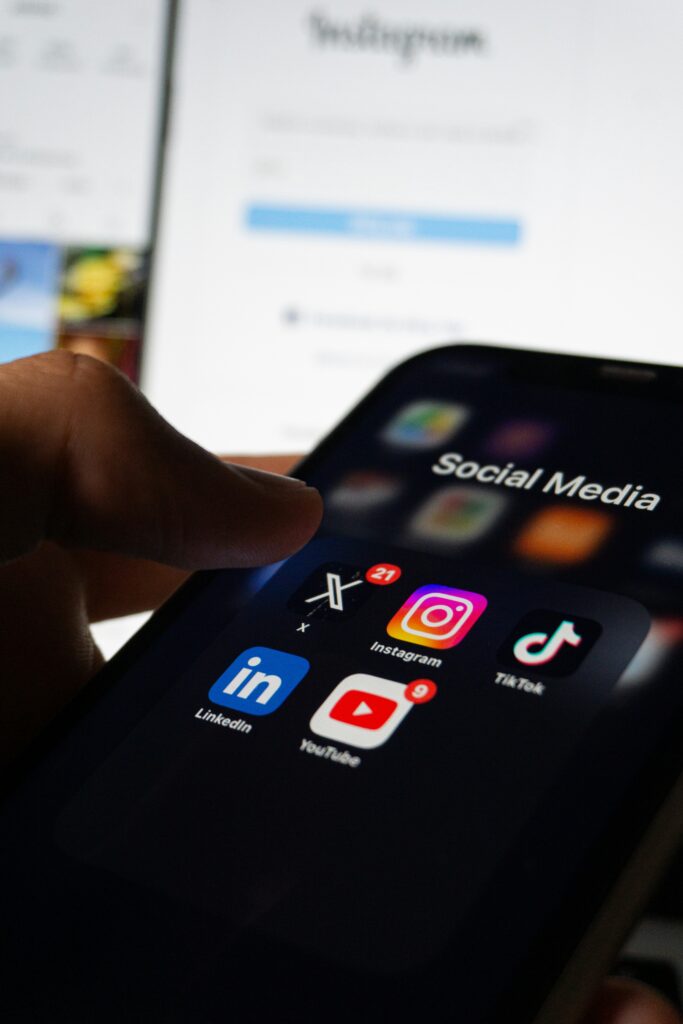
The Uncomfortable Truth

The follower count model worked for platforms because it was simple, visible, and gamifiable. It made influencer marketing straightforward: more followers = higher rates. More followers = more authority.

But it also created significant fake growth. Followers purchased from services that do not convert. Engagement from accounts that do not exist. A massive industry built on inflating a number that stopped meaning what everyone thought it meant.

The new paradigm is messier. It is harder to fake. It requires actually building something people care about, not just collecting followers like points in a game.

Followers Still Matter—Just Not How You Might Think

To be clear: this is not a call to ignore your follower count. Followers still indicate credibility. A larger audience still creates more opportunities for algorithmic visibility. Growing your followers is still valuable.

But they no longer define influence. And that shift is already playing out in how content actually moves, what gets carried forward, and who holds real cultural weight.

The sooner you align your strategy with this reality, the sooner you can focus on building something that actually lasts—something people come back to, talk about, and keep in their lives. That’s influence. That’s what matters now.

Rethinking Your Influence Strategy?

The shift from follower-count thinking to cultural-impact thinking changes how you should approach content strategy, audience building, and measuring success.

Let’s talk about what this means for your brand or creator business.

At Emrise, we help brands navigate the creator economy with data-driven strategies, performance tracking, and partnerships that actually convert. Get in touch with the Emrise team at [email protected] or call 0115 678 7377 and we’ll build a plan that works for your market and your team.

The New Rules of Social Discovery in 2026 (And What It Means for Your Business)

Most brands are still running a 2019 social strategy on 2026 feeds. They’re chasing likes and followers, posting as often as possible and calling it a social strategy, while the platforms quietly put most of that content in front of people who don’t actually follow them.

The data from platform benchmarks and industry research has been building steadily in one direction: discovery on social media is now driven by the platforms themselves, serving content to people who haven’t come across you before instead of your existing audience. Creative quality and entertainment value are what drive results. That shift changes how you brief, how you distribute and how you measure social. Here’s what it means in practice, and what to do about it.

Rule 1: Optimise for New Audiences, Not Just Your Existing Followers

On TikTok, views coming from the For You page jumped from 31% to 58% between 2023 and 2025. On Instagram, views from non-followers grew from 30% to 49% between 2024 and 2025. The platforms are actively serving your content to people who have never heard of you, so your current followers are a starting point, not the ceiling.

That has real implications for how you approach every piece of content. Everything has to work for newcomers. Hooks can’t rely on brand familiarity, captions can’t assume context. The creative has to earn attention from someone scrolling past dozens of other videos.

Practical moves:

  • Before every post, ask yourself whether it would still work if you removed your logo and brand name – if the answer is no, the hook needs rethinking
  • Plan your content calendar with new audiences in mind, not just the people who already follow you

Rule 2: Creative Quality Is Now an Algorithm Signal

Content that entertains keeps people watching longer, and average watch time on TikTok and Instagram has increased from around six to nine seconds as feeds have become more entertainment-led. That might sound modest, but watch time is one of the clearest signals platforms use to decide how widely to share your content. Better creative doesn’t just land better with viewers; it earns broader reach from the platform itself.

This means the creative brief matters more than the posting schedule. A single well-crafted video with a strong hook, a clear payoff and a format that feels at home on the platform will consistently outperform multiple mediocre posts. The more useful question isn’t how often to post, but what would make someone stop, watch and come back.

Practical moves:

  • Invest more time in the first one to two seconds of every video, because that’s where watch time is won or lost
  • Use watch time and completion rate as your primary creative quality signals, rather than likes or the raw number of people who saw the post
Person setting up a smartphone on a tripod ready to record video content

Rule 3: Platform Strategy Can’t Be Copy-Pasted

Different brands get results from different channels, and what works depends on the brand, the audience and the platform’s current priorities. Crucially, each platform has its own native format, and that format is part of the message. Content that feels at home on TikTok and the same content reformatted for LinkedIn are not identical, even if they use the same words. This distinction should be a central part of your brief from the start, not just a finishing step.

TikTok rewards fast-paced, creator-style content and is currently the strongest channel for reaching audiences new to your brand. Instagram still performs well for polished visual brands but increasingly rewards short-form video over static posts. LinkedIn, YouTube Shorts and Pinterest each have their own audience expectations and content logic.

Practical moves:

  • Audit which platforms are driving discovery and new customers for your specific brand before spreading budget thin
  • Build platform-specific creative briefs rather than one master brief with the format decided as an afterthought

Rule 4: Creators and User-Generated Content Are Worth Taking Seriously

In just two years, the share of social impact coming from content made by real customers and creators, rather than by brands directly, grew from 8% to 13%. On purchasing behaviour, 43.8% of TikTok users made at least one purchase through the platform in 2024, the highest rate of any social channel. At a market level, UK social commerce is forecast to reach £11.75 billion in 2026. These are not numbers confined to fashion or beauty; they are showing up across categories, including B2B and industries that have historically kept social at arm’s length.

This isn’t about chasing influencers with millions of followers. It’s about building a small, relevant group of creators and customers who speak the language of your buyers and show your product in real-world contexts. Start with a handful of people who genuinely understand your audience, brief them on what you want to achieve and hold the results to the same standards, as you would any other marketing channel.

Practical moves:

  • Identify a small group of creators or customers who genuinely understand your audience and start with clear, outcome-focused briefs
  • Repurpose top-performing creator content into paid campaigns, rather than only boosting polished brand creative

Rule 5: Post Less, Distribute More

Brands posting fewer than six times per week see 13% higher engagement on Instagram and 63% higher engagement on TikTok compared to higher-volume accounts. The data consistently shows that posting more often does not lead to improved engagement but actually tends to reduce it. Posting less isn’t laziness; it’s strategy.

Low-effort content doesn’t just underperform; it trains the algorithm to expect less from you. The shift worth making is from five posts a week to three genuinely strong posts, each with a clear plan for how they’ll reach people beyond your existing followers. That means putting paid promotion behind your best content, working with creators to extend its life, reusing it across formats and testing different opening lines to see what performs best. The goal isn’t to keep a posting schedule ticking over; it’s to get the most from content actually worth making.

Practical moves:

  • Audit your last 30 days of content and cut the bottom third of ideas from future calendars
  • Reallocate that time into stronger creative development, better editing and testing what resonates
Person holding a tablet displaying a bar chart showing monthly growth data

Measure Discovery, Not Just Followers

There has been an important shift in how platforms measure content performance. While your content has always had the potential to reach people who don’t yet follow you, platforms now factor in non-follower engagement when they decide how widely to distribute your content. Whether they save it, share it, rewatch it or click through, those responses all count. People who have never heard of your brand but engage with your posts now play an important part in growing your reach over time.

As a result, many standard social metrics are now less useful than they appear. Follower growth is a measure of the past, and posting volume doesn’t reflect the effectiveness of your strategy.

A more useful model looks at:

  • Discovery impressions – how many people who don’t follow you are seeing your content
  • Profile visits and link clicks from content – are they driving genuine interest?
  • Saves, shares and rewatches – signals that content is worth returning to or passing on
  • Wider effects – uplift in people searching for your brand, direct traffic or sales that correlate with your content activity

The useful question when reviewing social performance isn’t how many posts went out, but which pieces of content are reaching new people, and what do they have in common.

What to Do Now

The platforms have changed their incentives. The content that gets distributed widely now earns its reach by connecting with people who weren’t already looking for you. Your strategy should no longer focus only on keeping existing followers engaged.

If you’re still planning social around follower growth and posting volume, it’s worth taking a closer look at how the platforms work in 2026. Working with creators and customers as part of your wider marketing mix, shifting from more posts to better posts with a clearer distribution plan, and designing content for new audiences rather than existing ones – this is what’s working right now.

Social strategy doesn’t sit in isolation either. If you want to see how these shifts connect to what’s actually driving e-commerce sales in 2026, our e-commerce statistics post covers the broader picture, including the social commerce data. And if you’re thinking about how social fits into your wider marketing mix, our piece on what’s working in 2026 is worth a read.

If you want help rethinking your social strategy around discovery, from creative to distribution to reporting, get in touch with the Emrise team at [email protected] or call 0115 678 7377 and we’ll build a plan that works for your market and your team.

A note on sources: The For You page, non-follower reach, user-generated content share and posting frequency figures in this piece are drawn from Dash Social’s 2026 Social Media Trends Report, published February 2026. The TikTok social ecommerce purchase rate is from eMarketer, via Hootsuite’s TikTok statistics. The UK social commerce forecast is from eMarketer.